
The casino industry—both online and offline—runs on a promise: that the games are fair, the payouts are honest, and the rules don’t shift mid-play. Most of the time, you don’t notice that promise at all. You just play, you win or lose, you close the tab, you move on. The problem is that the moment something feels “off,” you suddenly realize how little visibility you actually have into how the system works.
Understanding how casinos operate, what licenses mean, and how fairness is enforced isn’t just about protecting yourself from scams. It’s about knowing what “playing fairly” looks like when you zoom in on the details: the game logic, the payout rules, the bonus traps, and the escape routes when customer support goes in circles. Whether you’re spinning slots at thepokies 114 or sitting at a live blackjack table in Malta, the mechanics of fairness—and the systems that enforce it—are more layered than most players expect. This article breaks down the types of casinos you’ll encounter, the licenses that govern them, and the practical steps you can take to verify that a casino is legitimate before you deposit a cent.
Fair play: what it really means (and what it doesn’t)
“Fair” is one of those words casinos love because it sounds comforting and vague at the same time. In practice, fairness has four pillars—and once you learn them, you start spotting weak operators faster. Fair outcomes means the results aren’t manipulated beyond the built-in edge: a slot’s RNG (random number generator) behaves as advertised, a virtual roulette wheel isn’t quietly skewed, and a table game follows the posted rules. Fair payout rules means the casino actually honors the game payouts and processes withdrawals the way it claims it will. Fair terms means bonus conditions and restrictions are visible up front, not hidden in a footnote that contradicts the marketing banner. And fair dispute pathways means there’s a real escalation route if you hit a wall—something more than “please contact support again.”
Here’s the counterintuitive truth: a license badge on a casino’s homepage isn’t proof of fairness on its own. It’s closer to a starting claim than a guarantee. Some jurisdictions treat licensing like a serious consumer-protection program: frequent audits, strict financial controls, real penalties. Others treat it more like a permit you can obtain cheaply and keep with limited scrutiny. Curaçao is often cited as “light-touch” compared with the UK Gambling Commission, for example. That difference matters, but it isn’t a verdict. A Curaçao license doesn’t automatically equal a scam—it just means you need to verify more carefully and rely less on the badge itself.
What fairness doesn’t mean is equally important. It doesn’t mean you’ll win (the house edge is real, and it’s the business model). It doesn’t mean bonuses are “free money” (they’re usually a trade: extra balance in exchange for extra volume). And it doesn’t mean every dispute ends in your favor. Even well-regulated casinos can enforce terms that feel harsh. “Fair” is about transparency and consistency. If the rules are clear, the math is stable, and the operator is accountable, that’s about as fair as gambling gets.
How casinos prove fairness: RNG, RTP, audits, and the fine print
Most online casino games—slots, video poker, virtual table games—run on an RNG, software designed to generate outcomes that are unpredictable and statistically consistent over time. The key word there is “statistically.” A reputable casino can’t just say “trust us” and call it a day. That’s why third-party testing labs exist. Names like eCOGRA, iTech Labs, and GLI are common in the industry; they run large-scale tests to confirm that outcomes match the advertised probabilities. If you scroll to a casino’s footer, you’ll often see a badge from one of these labs. Sometimes it’s an image, sometimes it’s a link. The difference matters—a link usually means you can verify the certification is current, instead of taking a screenshot on faith.
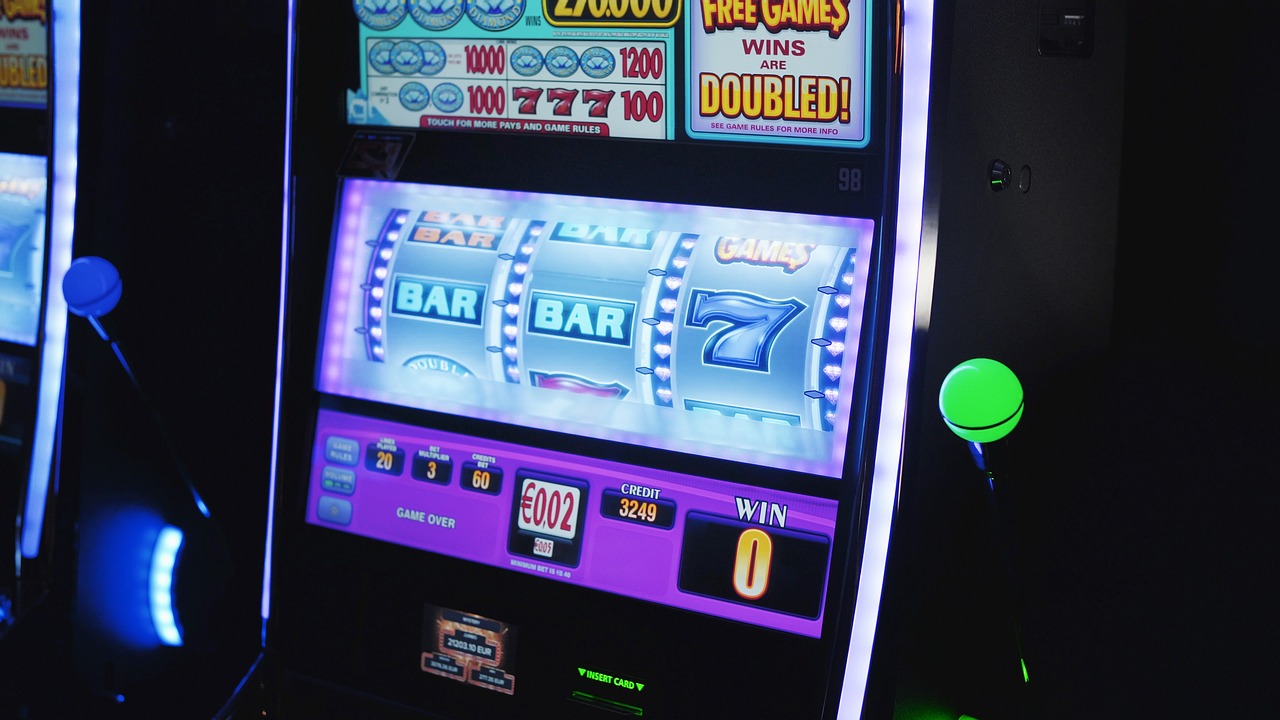
RTP (return to player) is the long-run percentage a game is designed to pay back across a huge sample—think millions of spins, not a single Friday night. A slot with 96% RTP is saying: over time, on average, it returns about $96 for every $100 wagered. But RTP doesn’t tell you how those returns arrive. That’s where volatility (variance) comes in. Low volatility means more frequent small wins. High volatility means fewer wins, but potentially larger spikes. That distinction matters because a game can be “fair” and still feel brutal if the volatility is high and you’re playing with a small bankroll.
The house edge is the flip side of RTP. If a game is 96% RTP, the house edge is roughly 4%—the casino’s long-term advantage. You can often find this information in a game’s help screen, but players rarely look. And that’s where misunderstandings begin. Here’s a mini-scenario you’ll see everywhere: someone grabs a 200% deposit bonus, assumes it’s basically a gift, and starts spinning. Then they discover the bonus has a 40x wagering requirement, meaning they need to wager $8,000 before they can withdraw. The house edge does its quiet work in the background with every spin. By the time the requirement is cleared (if it’s cleared), the balance often looks nothing like what the player imagined. In many cases, it’s not a “scam.” It’s just the terms doing exactly what they were designed to do. Reading the bonus rules first would have changed the decision—or at least the expectations.
Audits can go beyond RNG mechanics. Some operators publish RTP reports, sometimes broken down by provider or category. It’s not universal, and it’s not always easy to interpret, but it’s still a useful signal. If a casino offers plenty of “proof” but none of it is dated, verifiable, or linked to a source that can be checked independently, treat that as a caution light. Stronger jurisdictions typically require ongoing compliance—meaning audits aren’t a one-time event at launch. They’re part of the operator’s cost of doing business.
Main types of casinos: land-based, online, live dealer, social, and crypto
Land-based casinos are the traditional model: physical venues with slot machines, table games, and human dealers. The fairness advantage is that oversight is tangible. Regulators can inspect machines, review logs, and verify that equipment meets standards. As a player, you can see the dealer shuffle, watch the ball drop, and cash out at a cage. If there’s a dispute, the complaint path is usually clearer, because the venue operates under local authority. The trade-off is convenience and cost: higher overhead often means tighter margins, and in some locations that can translate into less generous conditions or fewer promotions.

Online casinos operate through websites or apps, offering slots, table games, and often sports betting. Fairness here depends heavily on licensing and on the software ecosystem behind the scenes. Reputable providers—NetEnt, Microgaming, Pragmatic Play, and other major studios—tend to avoid operators that routinely cause trouble, because the provider’s brand is at stake. But the online model has its own risk points: KYC delays (sometimes legitimate, sometimes used as stalling), payment processor quirks, and geo-restrictions that can void winnings if you’re accessing the service from an unsupported region. The upside is obvious: convenience, broad game choice, and the ability to compare terms without leaving your couch.
Live dealer casinos stream real dealers in real time, usually from licensed studios. This format feels more transparent for many players because you’re watching a human deal cards or spin a wheel. Still, “live” doesn’t automatically mean “problem-free.” Stream quality matters: a laggy feed makes it harder to follow what’s happening, and confusion is where disputes thrive. Reputable providers typically timestamp streams and run standardized procedures, but if you can’t clearly track the action, that’s not ideal. Live dealer games also tend to have higher minimum bets and a slower pace, which affects how quickly you churn through wagering requirements if you’re playing with a bonus.
Social and sweepstakes casinos sit in a grey zone. Typically, you buy virtual currency and receive sweepstakes entries as a promotional add-on. Those entries can be redeemed for prizes, sometimes including cash. Because the legal structure differs from traditional real-money casinos, oversight can be inconsistent, and escalation options may be limited. If you use these platforms, focus on redemption rules, eligibility by region, and how disputes are handled. If the terms are hard to find or constantly changing, that’s a practical risk even if the platform is technically “legal” where you are.
Crypto casinos accept Bitcoin, Ethereum, or other cryptocurrencies, often advertising fast withdrawals and fewer identity checks. Some also offer “provably fair” systems, where you can verify RNG outcomes using published seeds. That’s a real concept, and when implemented correctly it can increase transparency. But crypto also changes the risk profile: transactions are typically irreversible, and lighter KYC can mean lighter consumer protection. Balanced view: crypto casinos aren’t inherently shady, but if something goes wrong, your options to recover funds can be limited. If you’re considering one, verify the license (if any), understand the provably fair method, and start small.
| Casino Type | Fairness Mechanism | What to Verify | Common Trap |
|---|---|---|---|
| Land-based | Physical oversight, equipment inspection | State/national license, visible payout postings | Tighter slots in high-traffic areas |
| Online | RNG audits, software provider reputation | License number, third-party seals, KYC policy | Bonus terms with impossible wagering |
| Live dealer | Live stream, human dealing | Stream timestamp, studio location, provider | High minimums, slow pace |
| Social/sweepstakes | Sweepstakes model, virtual currency | Redemption policy, state availability | Murky terms, limited dispute pathways |
| Crypto | Provably fair RNG (some), blockchain transparency | Seed verification, license (if any), withdrawal policy | No KYC = no recourse if funds vanish |
What a casino license actually means
A casino license is a permit issued by a government or quasi-government body that allows a company to operate gambling services. In real terms, it’s a framework for who can operate, how the operator is supervised, and what happens when rules are broken. It usually covers who can operate (background checks on owners and executives), what games can be offered, how funds are handled (for example, requirements around reserves and financial controls), and what happens when disputes arise. What it doesn’t do is magically make every offer “good,” eliminate the house edge, or prevent operators from writing strict terms. A license is a baseline, not a halo.
What many players miss is that enforcement varies wildly by jurisdiction. Under the UK Gambling Commission, operators face strict ongoing requirements and meaningful penalties. Malta (MGA) is also widely viewed as robust, with regular audits and compliance demands. In lighter-touch jurisdictions, standards can be looser, and the practical value of the license depends more heavily on the operator’s reputation and behavior. This is where “licensed” becomes a complicated label. It tells you the operator has a legal home, but it doesn’t tell you how well that home polices its residents.
Enforcement can look very different depending on where the operator is based. In a strong regime, disputes can lead to public actions: fines, license suspensions, mandated changes to misleading promotions. In weaker regimes, complaints may be routed back to the operator with limited independent review, or response times can be slow. That doesn’t mean every player dispute becomes a regulatory case—far from it. But it does mean the “backstop” behind customer support is stronger in some places than others, and you should factor that into your risk tolerance.
Major licensing jurisdictions compared (and what players should look for)
The UK Gambling Commission is often treated as the gold standard in consumer protection. It requires verified age and identity checks, clear complaints procedures, and responsible gambling tools like deposit limits and self-exclusion. The UK framework also relies on independent dispute resolution routes (ADR) for certain conflicts. From a player’s perspective, this usually means better oversight and clearer escalation options. The downside is that the UK market can feel tightly controlled: some features and bonus mechanics are restricted, and operators have less room to be “creative.”
The Malta Gaming Authority (MGA) is another leading regulator, popular with European operators. MGA licensing involves audits, financial controls, and compliance expectations around AML (anti-money laundering) practices. Malta also provides a clearer support pathway than many lighter jurisdictions. Gibraltar, the Isle of Man, and Alderney are smaller but generally regarded as rigorous, often attracting established operators that can afford higher compliance costs.
Curaçao is widely used because it’s comparatively fast and affordable, and it can cover multiple gambling verticals under a single structure. That scale is one reason you see it so often. The trade-off is that mandatory player protections and independent dispute mechanisms can be less robust. If you’re playing at a Curaçao-licensed casino, you’re not automatically in danger—but you are carrying more of the due diligence burden yourself. In plain language: check harder, start smaller, and pay attention to how the operator behaves when money needs to move out, not in.
Across jurisdictions, the basics you should look for don’t change: a visible license number in the footer, a link to the regulator’s database where you can verify the license is active, clear terms and conditions that don’t contradict the marketing, KYC and AML policies that aren’t used as an excuse to stall indefinitely, and responsible gambling tools like deposit limits, loss limits, and self-exclusion. If a casino hides its license details—or if the number doesn’t match anything on a regulator site—treat that as a serious red flag, not a minor annoyance.
| Jurisdiction | Typical Strength | Player Tools | Dispute Pathway | Notes |
|---|---|---|---|---|
| UK Gambling Commission | Very strong | Deposit limits, self-exclusion, reality checks | UKGC complaints team, independent ADR | Strict enforcement, high compliance costs |
| Malta Gaming Authority | Strong | Self-exclusion, deposit limits, player support unit | MGA player support, ADR providers | EU-wide recognition, thorough audits |
| Gibraltar / Isle of Man / Alderney | Strong | Varies by license, generally robust | Regulator mediation, independent ADR | Smaller scale, high standards |
| Curaçao | Light-touch | Minimal mandatory tools | Often casino-mediated, less independent | Cheaper, faster, less oversight |
How to verify a casino is legitimate in 10 minutes
Here’s a checklist you can run through before you deposit. It’s not magic, but it does two useful things: it filters out the obvious bad actors, and it forces you to look at the parts of the casino experience that matter most once money is on the line—identity checks, withdrawals, and terms enforcement.
- Check the footer for a license number and regulator name. If it’s not there, stop. If it is, write it down.
- Visit the regulator’s website and search their license database. The UKGC has a public register at gamblingcommission.gov.uk. The MGA has one at mga.org.mt. Verify the license is active and matches the casino’s name.
- Look for third-party testing seals in the footer. eCOGRA, iTech Labs, GLI, or similar. Click the seal—if it’s a real certification, it should link to a verification page.
- Read the terms and conditions, focusing on withdrawal limits, processing times, and KYC requirements. If the terms are vague or contradictory, that’s a red flag.
- Check the bonus terms for wagering requirements. Anything over 50x is aggressive. Anything over 70x is borderline predatory. Make sure you understand what games contribute to the requirement and whether there’s a max bet rule.
- Test customer support. Open the live chat and ask a simple question (like “What’s your withdrawal processing time?”). If they don’t respond, or if the response is canned and unhelpful, think twice.
- Search for reviews and complaints. Use aggregators like Trustpilot or AskGamblers. Look for patterns: are there lots of complaints about delayed withdrawals or voided bonuses? One or two negative reviews is normal. Dozens is a pattern.
- Check the payment methods. Reputable casinos offer recognizable options—Visa, Mastercard, PayPal, Neteller, bank transfer. If the only options are obscure e-wallets or crypto with no KYC, be cautious.
- Look for responsible gambling tools in the account settings. Can you set a deposit limit? Can you self-exclude? If these tools aren’t available, the casino isn’t taking player protection seriously.
- Make a small test deposit before committing serious money. Deposit $10 or $20, play a few rounds, then request a withdrawal. See how long it takes and whether you’re asked for reasonable KYC documents (ID, proof of address). If the withdrawal is instant and smooth, that’s a good sign. If it’s delayed or you’re asked for excessive documentation, proceed carefully.
| Red Flags | Green Flags |
|---|---|
| No license number or regulator name | License number visible, verifiable on regulator site |
| Terms and conditions are vague or hidden | Clear, accessible terms with no contradictions |
| Customer support is unresponsive or hostile | Live chat responds quickly, helpfully |
| Dozens of recent complaints about withdrawals | Mixed reviews, but patterns of resolved disputes |
| No responsible gambling tools | Deposit limits, self-exclusion, reality checks available |
| Obscure payment methods only | Recognizable payment options (Visa, PayPal, etc.) |
Playing responsibly without killing the fun
Responsible gambling isn’t about refusing risk—risk is the point of gambling. It’s about controlling the size of that risk. The cleanest rule is still the best one: set a budget before you start, and stick to it. Decide what you can genuinely afford to lose, treat it as entertainment spend, and don’t renegotiate with yourself mid-session. If the budget is gone, the session is over. Not “after one more spin,” not “after I win it back.” Just over.
Time limits help because they interrupt the tunnel vision that gambling can create. Set an alarm for 30 minutes or an hour and take a break when it goes off. Ask a blunt question: are you still enjoying this, or are you trying to repair the last 20 minutes? If it’s the second one, that’s your cue. A lot of people don’t get into trouble because they love the game—they get into trouble because they hate being down.
Use the casino’s built-in controls. In properly regulated markets, deposit limits and self-exclusion aren’t “nice extras,” they’re expected. The tools work best when you set them while calm and keep them in place while you’re not. If your casino lets you override limits instantly, or makes self-exclusion hard to find, that tells you something about its priorities.
If gambling stops being fun—if you’re lying about spending, borrowing to play, or skipping responsibilities—get help early. Organizations like GamCare (UK), the National Council on Problem Gambling (US), and Gamblers Anonymous offer confidential support. Many licensed casinos also offer self-exclusion that locks you out for a set period. Using those tools isn’t dramatic. It’s practical. The goal is to keep gambling in its place: a leisure activity, not a stress response.
Final takeaways
Playing fairly isn’t just about finding a casino that won’t cheat you. It’s about understanding the systems that govern gambling, knowing what protections are in place, and taking the time to verify that a casino is legitimate before you hand over your money. Whether you’re exploring options at thepokies 114 net australia or testing a new live dealer platform, the principles are the same: check the license, read the terms, test the support, and trust but verify.
The casino industry is built on math that favors the house. That’s not a secret, and it’s not unfair—it’s the cost of entertainment. What becomes unfair is when operators hide the practical rules of the game: unclear bonus limits, vague withdrawal policies, or “gotcha” terms that only appear when you try to cash out. Strong regulation reduces those risks, but regulation is only as strong as the jurisdiction enforcing it. A UKGC license generally means more oversight than a Curaçao license, but both can host legitimate casinos. The difference is how much weight you can place on the regulator versus the operator’s track record.
Keep your stakes realistic, treat bonuses like contracts (not gifts), and start small when you’re testing a new casino. Most of the headaches players report begin the same way: they deposit confidently, assume withdrawals will be smooth, and only read the terms once something goes wrong. Flip that order and you avoid a lot of pain. Set limits, use the tools, and know when to walk away. The best players don’t “beat” the house—they manage themselves.