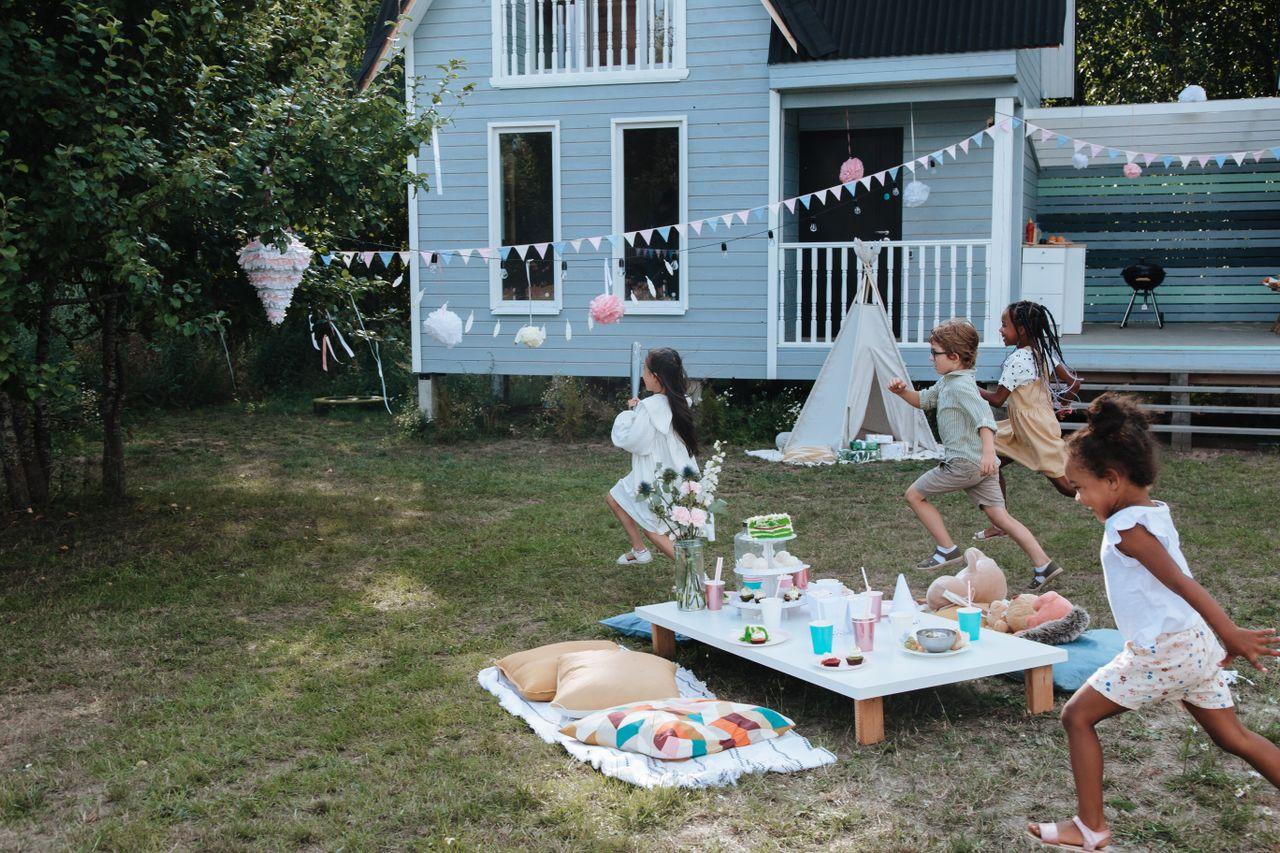

Outdoor play is essential to childhood development. It builds physical coordination, sparks creativity, and gives kids the freedom to explore at their own pace. According to the American Academy of Pediatrics, unstructured outdoor play supports cognitive, social, and emotional growth far beyond what indoor activities can offer.
Designing a kid-friendly backyard means more than just adding a swing set — it requires balancing fun, functionality, and safety so children can play freely while parents feel confident in the space they’ve created.
A thoughtfully designed backyard becomes more than a play area; it becomes an extension of childhood itself — a place for discovery, imagination, and healthy activity that grows alongside the family.
Planning a Safe and Functional Kid-Friendly Backyard Layout
Every great backyard begins with a plan. Smart zoning ensures that play, relaxation, and storage areas don’t overlap in ways that create hazards or chaos. Before adding any equipment, families should evaluate their available space and how children of different ages will use it.
Assessing Space, Age Groups, and Play Needs
Backyard design should evolve with a child’s developmental stage. A toddler needs soft, enclosed spaces, while older kids require room for climbing and running. Key factors to consider include:
- Age-appropriate activities — toddlers need low-impact play; older kids need active zones
- Supervision visibility — sightlines from the house or patio should remain unobstructed
- Space constraints — measure usable square footage before purchasing equipment
- Future flexibility — design areas that can adapt as children grow
Creating Dedicated Zones for Play, Relaxation, and Storage
Dividing a backyard into purposeful sections improves both safety and usability. Clear boundaries help children understand where to play and where not to.
- Play area – dedicated space for swings, slides, or climbing structures
- Garden zone – a small area for plants, herbs, or sensory exploration
- Seating area – a patio or bench zone for supervising adults
- Storage corner – a shed or bin system to keep toys organized and pathways clear
Comparing Backyard Layout Options for Families
Choosing the right layout depends on lot size, family needs, and maintenance capacity.
| Layout Type | Safety Level | Flexibility | Maintenance Needs |
|---|---|---|---|
| Open Layout | Moderate (requires close supervision) | High | Low |
| Zoned Layout | High (separated activity areas) | Moderate | Moderate |
| Compact Layout | High (smaller, contained space) | Low | Low |
Safe Outdoor Play Equipment and Surfaces for Kids
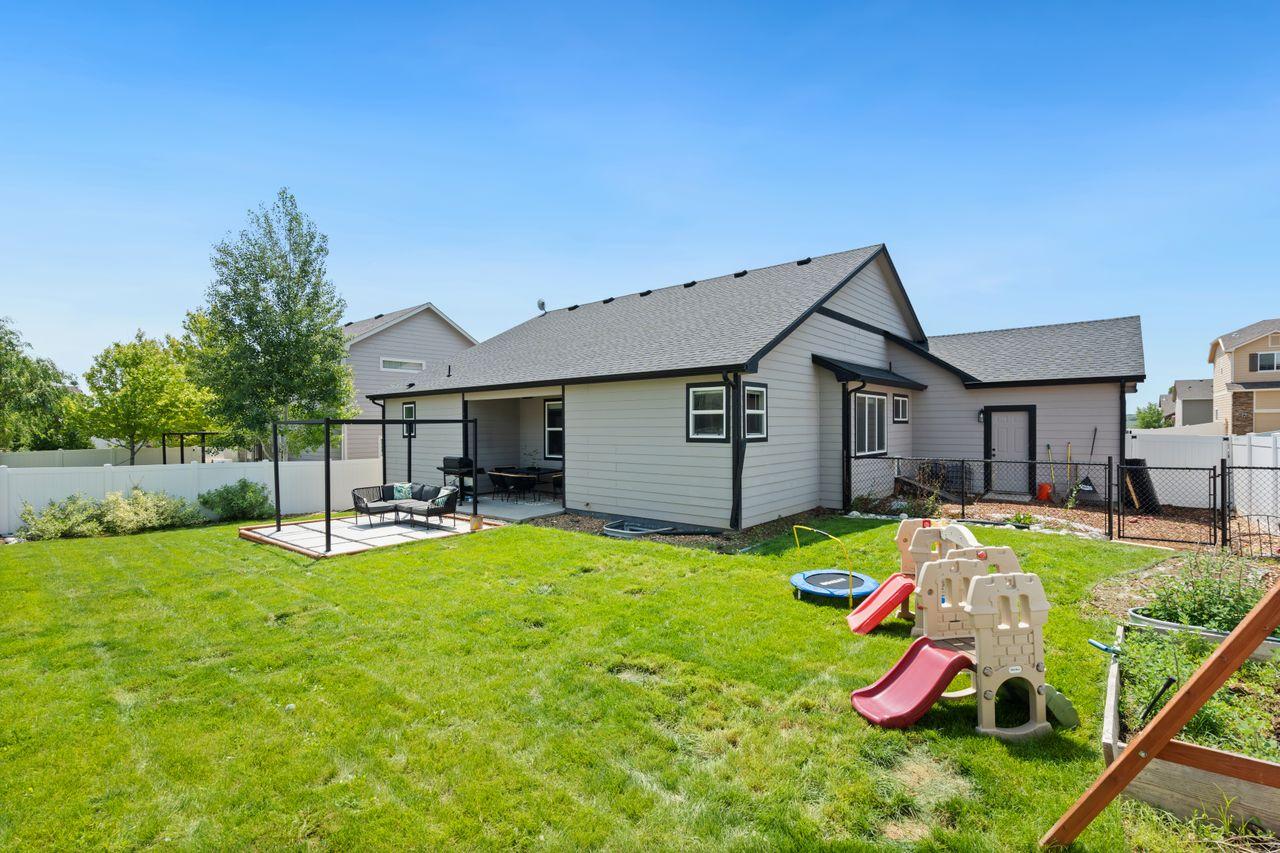
The right combination of equipment and surfacing dramatically reduces injury risk while increasing play value. Selecting age-appropriate gear and impact-absorbing ground materials are two of the most important safety decisions parents will make.
Age-Appropriate Play Structures and Equipment
Equipment should match a child’s physical ability and age group:
- Toddlers (1–3 years): low slides, sandboxes, push toys
- Preschoolers (3–5 years): small climbing frames, swing sets with bucket seats
- School-age kids (6–12 years): trampolines, monkey bars, taller climbing structures
Safe Surfacing Materials to Prevent Injuries
Ground surfacing absorbs falls and significantly lowers injury rates. The Consumer Product Safety Commission recommends shock-absorbing materials beneath all play equipment.
- Rubber mulch – durable and long-lasting, but can retain heat in summer
- Foam tiles – soft and easy to install, ideal for toddlers
- Grass – natural and low-cost, but loses cushioning when worn down
- Sand – good shock absorption, though it requires regular raking and cleaning
Backyard Safety Standards and Hazard Prevention
Preventing accidents requires proactive hazard management throughout the yard.
| Common Hazard | Prevention Method |
|---|---|
| Unsecured fencing | Install self-locking gates and consistent fence height |
| Sharp tools or debris | Store tools securely; inspect yard weekly |
| Standing water | Drain pools/ponds when unsupervised; use covers |
| Loose equipment bolts | Perform monthly hardware checks |
Creative and Engaging Backyard Play Ideas for Kids
Beyond safety, a great backyard should spark imagination and social interaction. Creative play zones encourage problem-solving, physical movement, and curiosity about the natural world.
DIY Play Zones and Budget-Friendly Backyard Projects
Simple, inexpensive additions can transform a backyard into an imaginative play space:
- Homemade obstacle courses using tires or wooden beams
- A chalk wall painted on a fence for open-ended creativity
- A mud kitchen built from repurposed furniture
- A small sensory garden with textured plants and pathways
Nature-Based Play and Outdoor Learning Spaces
Nature-based elements turn outdoor time into hands-on learning opportunities.
- Build a small vegetable patch to teach responsibility and patience
- Create an insect observation area with logs or rocks
- Add a bird feeder station for nature watching
- Designate a digging pit for open-ended exploration
Weather-Resistant and Seasonal Backyard Activities
Backyards should remain usable across seasons with the right setup.
| Season | Recommended Activity | Suggested Equipment |
|---|---|---|
| Summer | Water play | Sprinklers, splash pads |
| Winter | Snow forts | Insulated outdoor gear |
| Rainy Days | Covered creative play | Canopy or gazebo |
Maintaining a Clean, Organized, and Safe Backyard for Kids
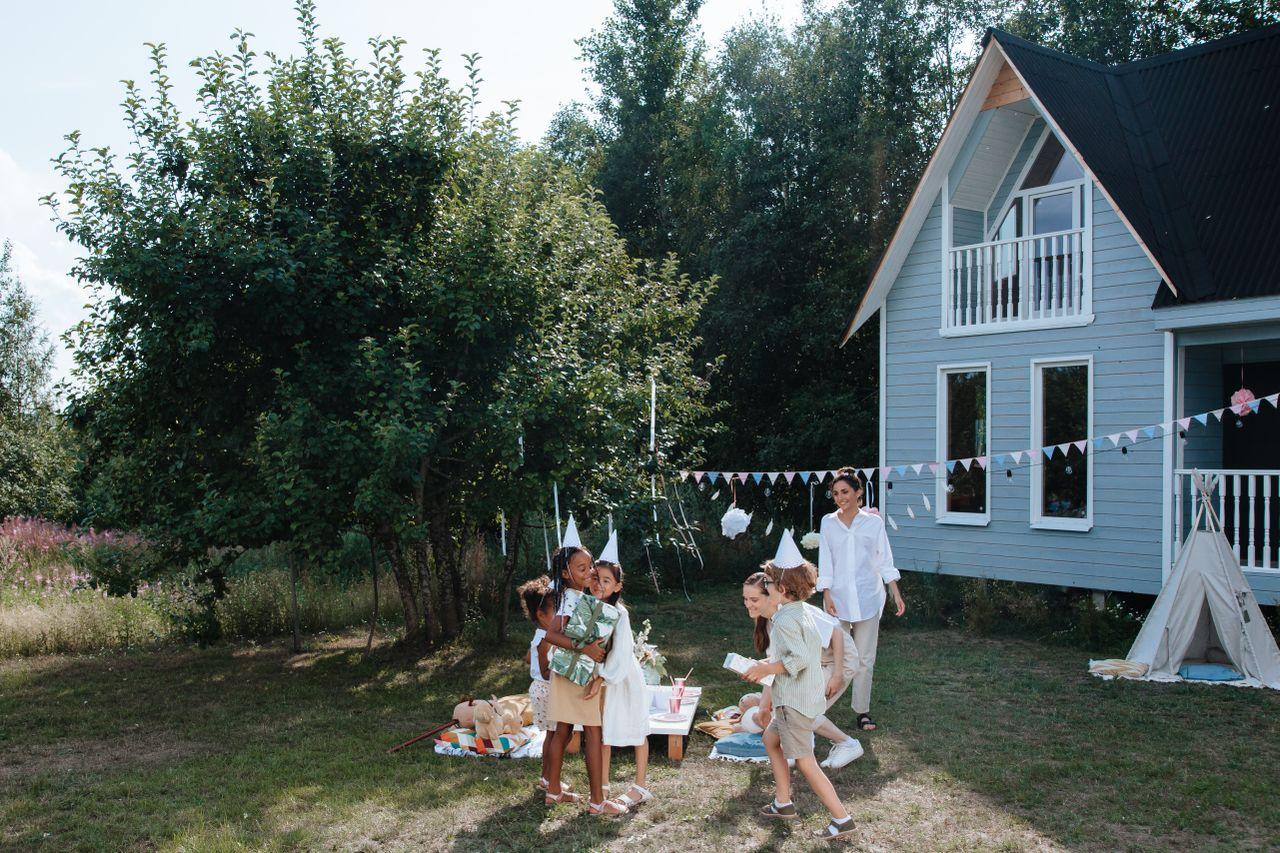
A safe backyard requires ongoing upkeep. Regular maintenance prevents long-term hazards and keeps the space enjoyable for years.
Storage Solutions for Toys and Outdoor Equipment
Smart storage keeps walkways clear and reduces tripping hazards:
- Weatherproof storage sheds for larger toys
- Stackable bins for balls, chalk, and small items
- Bench seating with hidden storage compartments
- Vertical wall racks for bikes and sports gear
Backyard Cleaning and Routine Safety Checks
Routine inspections catch small issues before they become safety risks.
- Weekly: Check for loose bolts, sharp debris, or standing water
- Weekly: Sweep play surfaces and remove clutter
- Monthly: Inspect fencing, gates, and equipment anchors
- Monthly: Refresh surfacing materials like mulch or sand
Teaching Kids Backyard Safety Rules
Children should understand basic safety expectations in age-appropriate language.
| Safety Rule | Child-Friendly Explanation |
|---|---|
| Stay inside fenced areas | “The fence keeps you safe inside our play zone.” |
| No climbing on fences | “Fences are walls, not ladders!” |
| Ask before going outside alone | “Always tell a grown-up before you play outside.” |
Conclusion
A well-designed backyard offers far more than entertainment — it creates a safe, enriching environment where children can grow, explore, and play with confidence. By balancing thoughtful zoning, age-appropriate equipment, creative play opportunities, and consistent maintenance, families can build outdoor spaces that remain both fun and functional for years to come. The key takeaway is simple: design with flexibility in mind, so the backyard can evolve alongside your children’s changing needs.